
 Deutschland
 France
 Nederland
 Great Britain
 Sverige
 Danmark
 Suomi
Suomi Italia
 Polska
 Česko
Česko España
VS
Renault Captur vs Volvo EX30 vertailu
Vertaa tehoa (158 hv vs 428 hv), tavaratilaa ja hintaa (26 000 € vs 36 500 € ) yhdellä silmäyksellä. Kumpi auto on sinulle parempi valinta, Renault Captur vai Volvo EX30?
Renault Captur vs Volvo EX30: tärkeimmät erot
Kaikki tiedot suorituskyvystä, kulutuksesta, toimintamatkasta ja tavaratilasta löytyvät teknisestä vertailusta alempana – mukana myös käyttäjäarviot molemmista malleista.
Captur
Kustannukset ja kulutus
Taloudellisuudessa on mielenkiintoisia eroja näiden kahden mallin välillä.
Renault Captur on selvästi edullisempi – sen lähtöhinta on 26 000 € , kun taas Volvo EX30 maksaa 36 500 € . Ero on noin 10 462 €.
EX30
Moottori ja suorituskyky
Teho, vääntömomentti ja kiihtyvyys ovat autoharrastajien klassisia mittareita – ja erot tulevat tässä hyvin esiin.
Moottoritehossa Volvo EX30 tarjoaa vakuuttavasti enemmän tehoa – 428 hv verrattuna 158 hv:een. Ero on noin 270 hv.
Kiihdytyksessä 0–100 km/h Volvo EX30 on merkittävästi nopeampi – se saavuttaa 100 km/h ajassa 3,6 s, kun taas Renault Captur tarvitsee 8,9 s. Ero on noin 5,3 s sekuntia.
Myös vääntömomentissa näkyy ero: Volvo EX30 vetää vakuuttavasti voimakkaammin, 543 Nm verrattuna 265 Nm:een. Eroa on noin 278 Nm.
Captur
Tila ja käytännöllisyys
Perheauto vai arjen kumppani – kumpi tarjoaa enemmän tilaa, mukavuutta ja käytettävyyttä?
Molemmissa autoissa on tilaa 5 henkilölle.
Omapainossa Renault Captur on ilmeisesti kevyempi – 1 323 kg verrattuna 1 840 kg:een. Painoero on noin 517 kg.
Tavaratilan koossa Renault Captur tarjoaa selvästi enemmän tilaa – 422 L verrattuna 318 L:een. Ero on noin 104 L.
Kantavuudessa Renault Captur tarjoaa hieman enemmän – 453 kg verrattuna 390 kg:een. Ero on noin 63 kg.
Kuka voittaa datavertailun?
Volvo EX30 voittaa vertailun selvästi objektiivisessa datavertailussa.
Tämä arvio kertoo vain, kumpi malli kerää enemmän pisteitä paperilla – ei kumpi näistä kahdesta autosta tuntuu sinulle oikealta.
alkaen 36 500 €
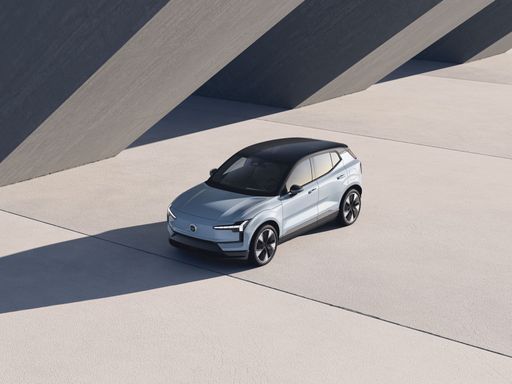
Volvo EX30
Renault Captur
Volvo EX30
Kustannukset ja kulutus
Näytä yksityiskohtainen analyysi
Näytä yksityiskohtainen analyysi
Moottori ja suorituskyky
Näytä yksityiskohtainen analyysi
Näytä yksityiskohtainen analyysi
Mitat ja kori
Näytä yksityiskohtainen analyysi
Näytä yksityiskohtainen analyysi
Renault Captur
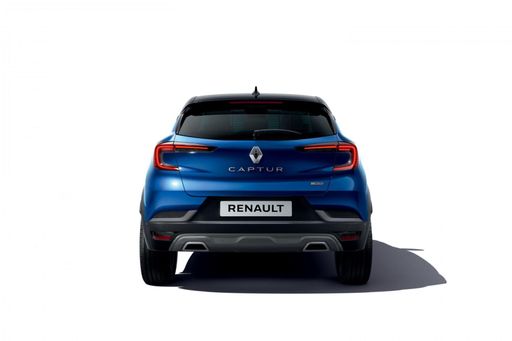
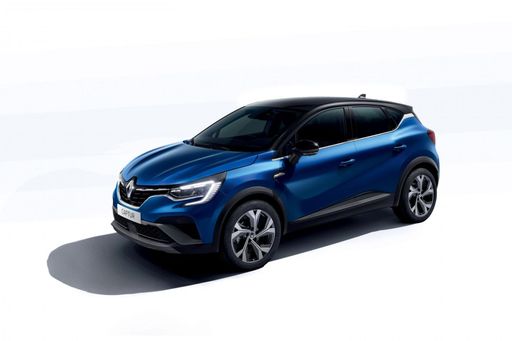
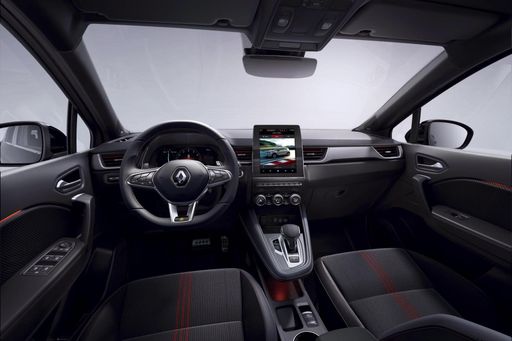
Renault Captur on käytännöllinen ja tyylikäs crossover, joka sopii hyvin sekä kaupunkiajoon että pidemmillekin reissuille. Sen miellyttävä ajotuntuma ja älykkäät säilytysratkaisut tekevät arjesta sujuvampaa ilman turhaa prameilua.
Tiedot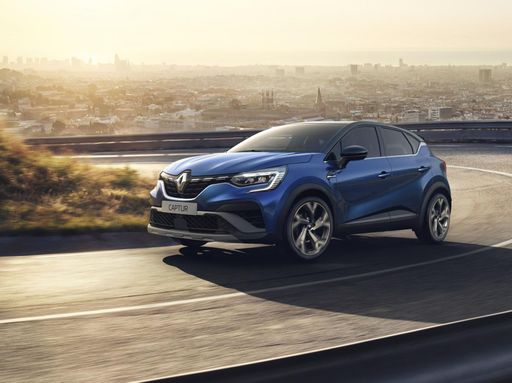
Volvo EX30
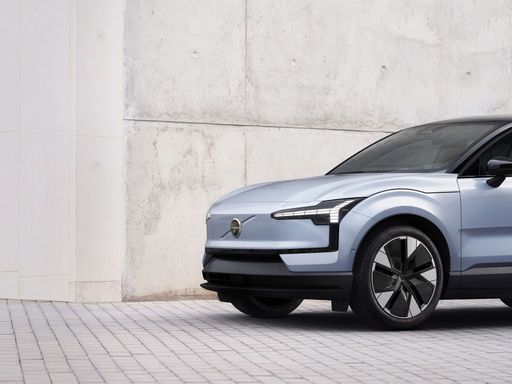
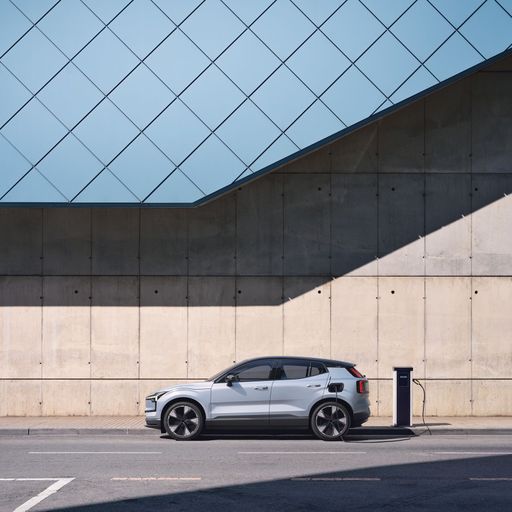
Volvo EX30 on ketterä ja urbaani sähköauto, joka yhdistää modernin muotoilun ja vahvan turvallisuuteen panostamisen. Se sopii hyvin kaupunkiajoon ja tarjoaa tyylikkään sekä käytännöllisen vaihtoehdon ympäristötietoiselle kuljettajalle.
Tiedot


Renault Captur
Volvo EX30
Kustannukset ja kulutus |
|
|---|---|
|
Hinta
26 000 - 34 800 €
|
Hinta
36 500 - 58 100 €
|
|
Kulutus L/100km
4,4 - 6 L/100km
|
Kulutus L/100km
-
|
|
Kulutus kWh/100km
-
|
Kulutus kWh/100km
17 - 18,3 kWh/100km
|
|
Sähköinen toimintasäde
-
|
Sähköinen toimintasäde
339 - 475 km
|
|
Akun kapasiteetti
-
|
Akun kapasiteetti
-
|
|
CO2
100 - 137 g/km
|
CO2
0 g/km
|
|
Polttoainesäiliön tilavuus
-
|
Polttoainesäiliön tilavuus
-
|
Mitat ja kori |
|
|---|---|
|
Kori
SUV
|
Kori
SUV
|
|
Istuimet
5
|
Istuimet
5
|
|
Ovet
-
|
Ovet
-
|
|
Omamassa
1 323 - 1 441 kg
|
Omamassa
1 840 - 1 960 kg
|
|
Tavaratila
326 - 422 L
|
Tavaratila
318 L
|
|
Pituus
-
|
Pituus
-
|
|
Leveys
1 797 mm
|
Leveys
1 838 mm
|
|
Korkeus
-
|
Korkeus
-
|
|
Maksimi tavaratila
-
|
Maksimi tavaratila
-
|
|
Kantavuus
447 - 453 kg
|
Kantavuus
370 - 390 kg
|
Moottori ja suorituskyky |
|
|---|---|
|
Moottorityyppi
Täyshybridi, Bensiini, Bensiini MHEV
|
Moottorityyppi
Sähkö
|
|
Vaihteisto
Automaatti, Manuel
|
Vaihteisto
Automaatti
|
|
Vaihteiston lisätiedot
Automaattivaihteisto, Manuaalivaihteisto, Kaksoiskytkin automaatti
|
Vaihteiston lisätiedot
Alennusvaihteisto
|
|
Vetotapa
Etuveto
|
Vetotapa
Takaveto, Neliveto
|
|
Teho hv
115 - 158 hv
|
Teho hv
150 - 428 hv
|
|
Kiihtyvyys 0-100 km/h
8,9 - 12,3 s
|
Kiihtyvyys 0-100 km/h
3,6 - 8,6 s
|
|
Huippunopeus
-
|
Huippunopeus
-
|
|
Vääntömomentti
160 - 265 Nm
|
Vääntömomentti
343 - 543 Nm
|
|
Sylinterien lukumäärä
3 - 4
|
Sylinterien lukumäärä
-
|
|
Teho kW
84 - 116 kW
|
Teho kW
110 - 315 kW
|
|
Iskutilavuus
1 199 - 1 789 cm3
|
Iskutilavuus
-
|
Yleistä |
|
|---|---|
|
Mallivuosi
2025
|
Mallivuosi
2026
|
|
CO2-tehokkuusluokka
C, D, E
|
CO2-tehokkuusluokka
A
|
|
Merkki
Renault
|
Merkki
Volvo
|
DriveDuel käyttää data-analyysiä ja tekoälyä ajoneuvotietojen analysointiin ja sisällön luomiseen. Sisältöä tarkistetaan ja parannetaan säännöllisesti.
Näytetyt hinnat ovat arvioita, jotka perustuvat saksalaisiin listahintoihin ja on mukautettu kyseisen maan arvonlisäveroon. Maakohtaiset rekisteröintiverot eivät sisälly hintaan. Nämä tiedot eivät ole oikeudellisesti sitovia.