
 Deutschland
 France
 Nederland
 Great Britain
 Sverige
 Danmark
 Suomi
Suomi Italia
 Polska
 Česko
Česko España
VS
Hyundai i30 vs SsangYong Tivoli vertailu
Vertaa tehoa (150 hv vs 163 hv), tavaratilaa ja hintaa (29 900 € vs 26 000 € ) yhdellä silmäyksellä. Kumpi auto on sinulle parempi valinta, Hyundai i30 vai SsangYong Tivoli?
i30
Kustannukset ja kulutus
Hinta ja tehokkuus ovat usein ensimmäiset valintakriteerit auton ostossa. Tässä näkyy, kumpi malli on pitkällä aikavälillä edullisempi – tankatessa, ladatessa tai hankintahinnassa.
SsangYong Tivoli on jonkin verran edullisempi – sen lähtöhinta on 26 000 € , kun taas Hyundai i30 maksaa 29 900 € . Ero on noin 3 813 €.
Myös polttoaineenkulutuksessa näkyy ero: Hyundai i30 kuluttaa 5,9 L/100km ja on siten hieman taloudellisempi kuin SsangYong Tivoli, jonka kulutus on 7 L/100km. Ero on noin 1,1 L/100km.
Tivoli
Moottori ja suorituskyky
Teho, vääntömomentti ja kiihtyvyys ovat autoharrastajien klassisia mittareita – ja erot tulevat tässä hyvin esiin.
Moottoritehossa SsangYong Tivoli tarjoaa hieman enemmän tehoa – 163 hv verrattuna 150 hv:een. Ero on noin 13 hv.
Myös vääntömomentissa näkyy ero: SsangYong Tivoli vetää vähän voimakkaammin, 280 Nm verrattuna 250 Nm:een. Eroa on noin 30 Nm.
i30
Tila ja käytännöllisyys
Perheauto vai arjen kumppani – kumpi tarjoaa enemmän tilaa, mukavuutta ja käytettävyyttä?
Molemmissa autoissa on tilaa 5 henkilölle.
Omapainossa Hyundai i30 on melkein huomaamattomasti kevyempi – 1 315 kg verrattuna 1 375 kg:een. Painoero on noin 60 kg.
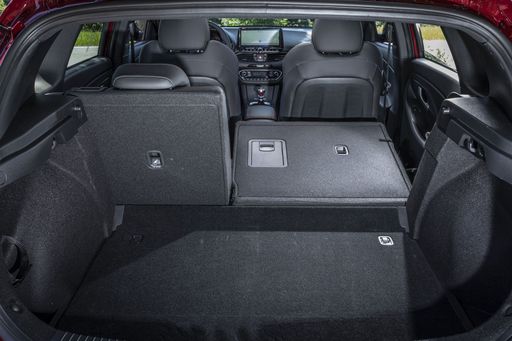
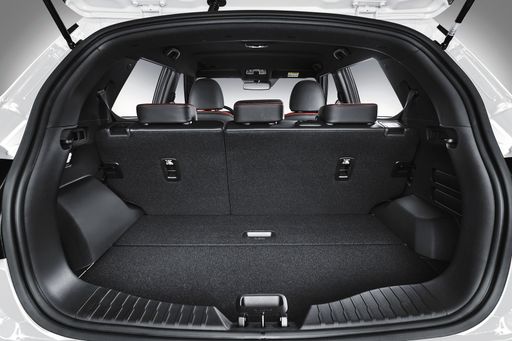
Tavaratilan koossa SsangYong Tivoli tarjoaa merkittävästi enemmän tilaa – 720 L verrattuna 395 L:een. Ero on noin 325 L.
Kantavuudessa Hyundai i30 tarjoaa minimaalisesti enemmän – 485 kg verrattuna 455 kg:een. Ero on noin 30 kg.
Kuka voittaa datavertailun?
SsangYong Tivoli voittaa niukalla marginaalilla objektiivisessa datavertailussa.
Tämä arvio kertoo vain, kumpi malli kerää enemmän pisteitä paperilla – ei kumpi näistä kahdesta autosta tuntuu sinulle oikealta.
alkaen 26 000 €
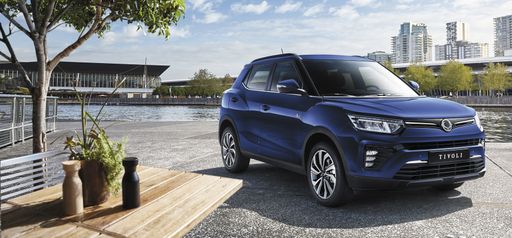
SsangYong Tivoli
Hyundai i30
SsangYong Tivoli
Kustannukset ja kulutus
Näytä yksityiskohtainen analyysi
Näytä yksityiskohtainen analyysi
Moottori ja suorituskyky
Näytä yksityiskohtainen analyysi
Näytä yksityiskohtainen analyysi
Mitat ja kori
Näytä yksityiskohtainen analyysi
Näytä yksityiskohtainen analyysi
Hyundai i30
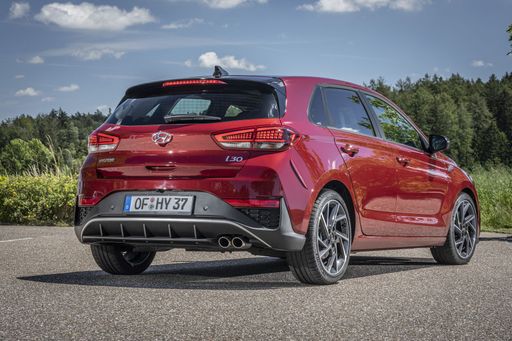
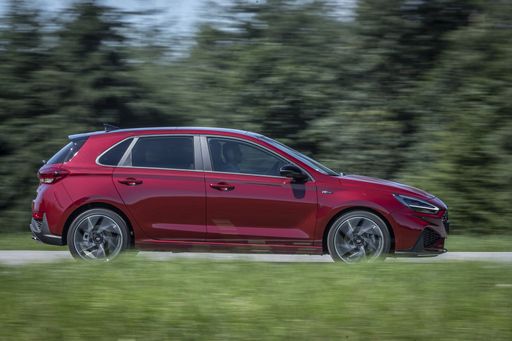
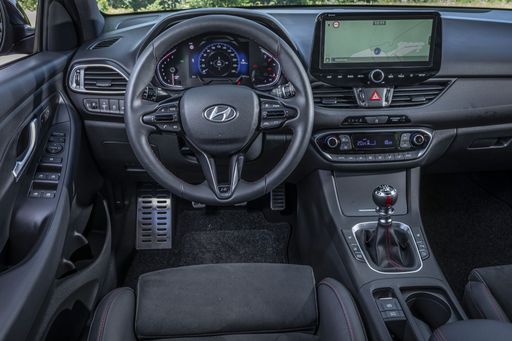
Hyundai i30 on arjen luotettava kumppani: käytännöllinen ja mukava, varustelultaan riittävä ilman turhaa prameilua. Se ei yritä olla hurjapää, vaan järkevä ja miellyttävä valinta, joka palkitsee käyttövarmuudella ja arjen pienillä iloilla.
Tiedot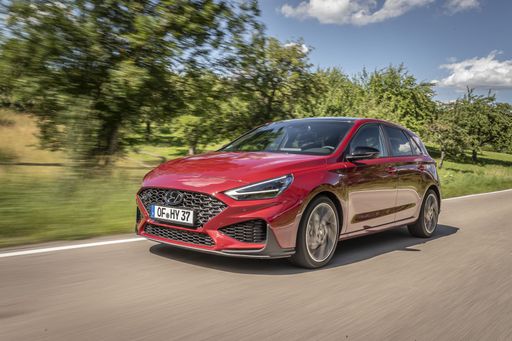
SsangYong Tivoli
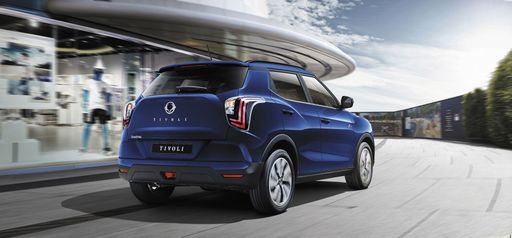
SsangYong Tivoli on kätevä ja tilava pikkumaasturi, joka tarjoaa käytännönläheistä mukavuutta ja ripauksen persoonallisuutta ilman turhaa pröystäilyä. Se sopii ostajalle, joka haluaa hyvän hinta‑laatusuhteen ja erottua massasta, vaikka jälleenmyyntiverkosto kannattaa tarkistaa ennen ostopäätöstä.
Tiedot
Hyundai i30
SsangYong Tivoli
Kustannukset ja kulutus |
|
|---|---|
|
Hinta
29 900 - 38 200 €
|
Hinta
26 000 - 36 900 €
|
|
Kulutus L/100km
5,9 - 6,3 L/100km
|
Kulutus L/100km
7 - 8,3 L/100km
|
|
Kulutus kWh/100km
-
|
Kulutus kWh/100km
-
|
|
Sähköinen toimintasäde
-
|
Sähköinen toimintasäde
-
|
|
Akun kapasiteetti
-
|
Akun kapasiteetti
-
|
|
CO2
134 - 142 g/km
|
CO2
161 - 191 g/km
|
|
Polttoainesäiliön tilavuus
-
|
Polttoainesäiliön tilavuus
50 L
|
Mitat ja kori |
|
|---|---|
|
Kori
Viistoperä
|
Kori
SUV
|
|
Istuimet
5
|
Istuimet
5
|
|
Ovet
-
|
Ovet
5
|
|
Omamassa
1 315 - 1 435 kg
|
Omamassa
1 375 - 1 492 kg
|
|
Tavaratila
395 L
|
Tavaratila
395 - 720 L
|
|
Pituus
-
|
Pituus
4 225 - 4 480 mm
|
|
Leveys
1 795 mm
|
Leveys
1 810 mm
|
|
Korkeus
-
|
Korkeus
1 613 - 1 646 mm
|
|
Maksimi tavaratila
-
|
Maksimi tavaratila
1 115 - 1 440 L
|
|
Kantavuus
445 - 485 kg
|
Kantavuus
425 - 455 kg
|
Moottori ja suorituskyky |
|
|---|---|
|
Moottorityyppi
Bensiini
|
Moottorityyppi
Bensiini
|
|
Vaihteisto
Manuaali, Automaatti
|
Vaihteisto
Manuaali, Automaatti
|
|
Vaihteiston lisätiedot
Manuaalivaihteisto, Kaksoiskytkin automaatti
|
Vaihteiston lisätiedot
Manuaalivaihteisto, Automaattivaihteisto
|
|
Vetotapa
Etuveto
|
Vetotapa
Etuveto, Neliveto
|
|
Teho hv
115 - 150 hv
|
Teho hv
163 hv
|
|
Kiihtyvyys 0-100 km/h
8,9 - 11,7 s
|
Kiihtyvyys 0-100 km/h
-
|
|
Huippunopeus
-
|
Huippunopeus
175 - 181 km/h
|
|
Vääntömomentti
172 - 250 Nm
|
Vääntömomentti
260 - 280 Nm
|
|
Sylinterien lukumäärä
3 - 4
|
Sylinterien lukumäärä
4
|
|
Teho kW
85 - 110 kW
|
Teho kW
120 kW
|
|
Iskutilavuus
998 - 1 598 cm3
|
Iskutilavuus
1 497 cm3
|
Yleistä |
|
|---|---|
|
Mallivuosi
2026
|
Mallivuosi
2 021 - 2 024
|
|
CO2-tehokkuusluokka
D, E
|
CO2-tehokkuusluokka
F, G
|
|
Merkki
Hyundai
|
Merkki
SsangYong
|
DriveDuel käyttää data-analyysiä ja tekoälyä ajoneuvotietojen analysointiin ja sisällön luomiseen. Sisältöä tarkistetaan ja parannetaan säännöllisesti.
Näytetyt hinnat ovat arvioita, jotka perustuvat saksalaisiin listahintoihin ja on mukautettu kyseisen maan arvonlisäveroon. Maakohtaiset rekisteröintiverot eivät sisälly hintaan. Nämä tiedot eivät ole oikeudellisesti sitovia.